Place du Nouveau Marché aux Grains 10
Nieuwe Graanmarkt 10
1000 Brussels
Nieuwe Graanmarkt 10
1000 Brussels
contact@mad.brussels
+32 2 880 85 62
+32 2 880 85 62
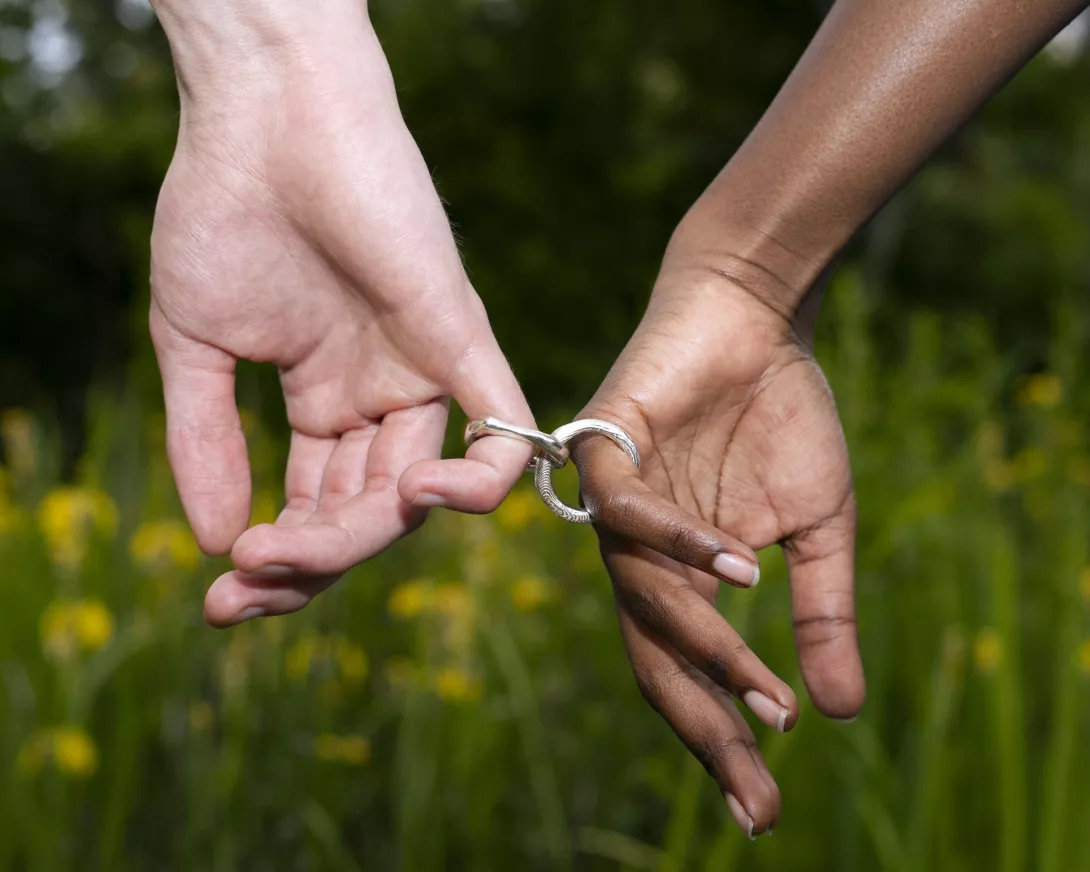
"I see myself not only as a designer, but also as a maker."
Interview with Jente Fleerackers
Jente Fleerackers is a Brussels-based jewellery designer and guest designer at the MAD Incubator. Through his label Fleerackers, founded in 2023, he explores the boundaries between architecture and jewellery design.
Central to his practice is the cuttlebone casting technique, a direct and partly unpredictable method that leaves room for chance and texture. This tension between control and spontaneity forms the foundation of his design approach. With Fleerackers, he sees luxury as something that is allowed to carry traces of time and evolve through use, rather than striving for perfection or following trends.
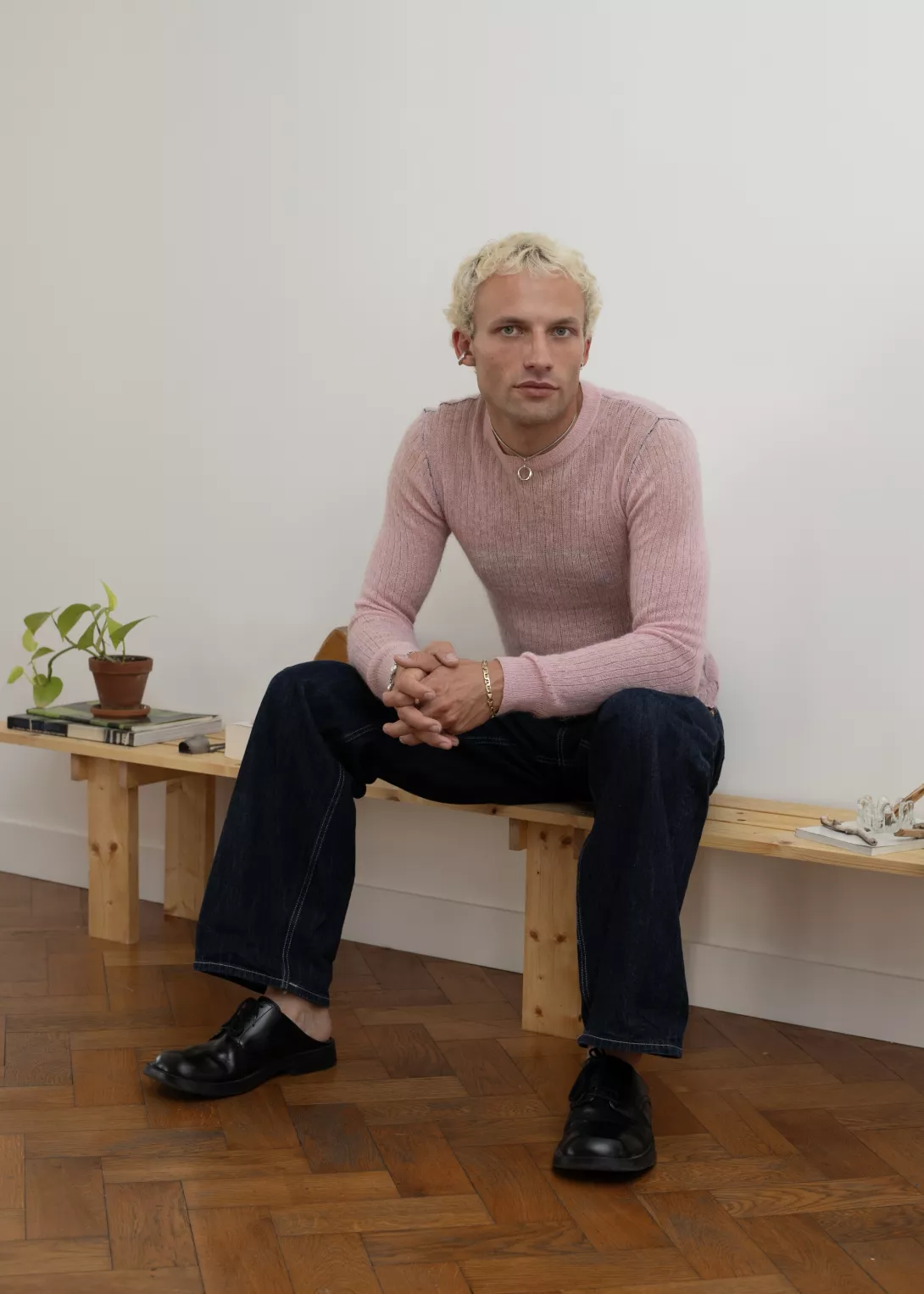
Can you explain your work and tell us how you got into jewellery design?
“I first studied for a bachelor’s degree in Architecture. At the beginning, I loved building models and working on smaller-scale projects. But towards the end of my studies, the focus shifted mainly to large apartment buildings, where you had to think about things like where the bathrooms should be placed. That started to interest me less. The more conceptual and smaller-scale the work was, the more I enjoyed it.”
“At the same time, I was already making jewellery and experimenting with objects I found on the ground, such as wearing a paperclip as an earring. Architecture was in the same building as the Academy of Antwerp, so I constantly saw students from the Academy walking through the corridors. That eventually led me to start working with jewellery. I had always been interested in fashion, but I never really wanted to make clothing myself. With jewellery, however, I felt a strong urge to create something with my own hands. That’s when I realised: this was it.”
“I mainly work with the cuttlebone casting technique, an old method that I discovered during my studies. It is a very organic way of working, where you can never fully predict the final result. I am actually someone who likes to have control and know exactly what something should look like, but with this technique that is impossible. You are almost working against the technique. That tension is what continues to fascinate me: how can I translate what I have in my head through this process, and what will ultimately emerge from it?”
Has your background in architecture influenced the way you design jewelry?
“I think it has. I still look at architecture a lot. Once you have studied it, it is difficult not to keep engaging with it. Brutalism in particular has definitely influenced me. The things I used to create in architecture were much less naturalistic. Through the technique I work with now, a more organic quality has emerged naturally. However, I still try to design and create in much the same way as I did before.”
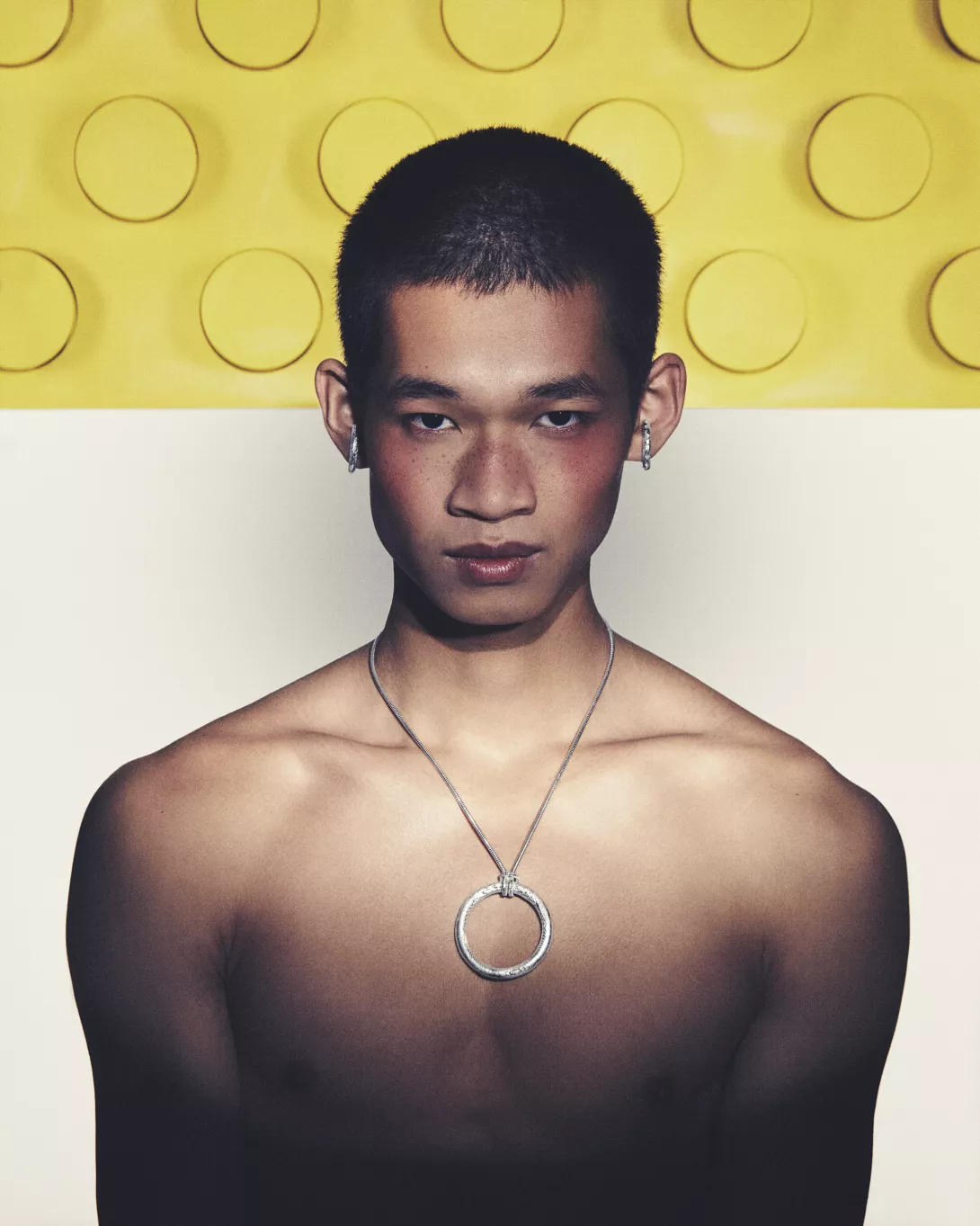
What does “luxury” mean to you, and how do you try to redefine that concept through your jewellery?
“Good question. For me, luxury is not about ‘bling bling’, and that is also reflected in my jewellery. Luxury, to me, is more about investing in something that lasts. That is why I sell my jewellery without plating. I love how silver exists on its own, how it develops different tones over time and continues to evolve while still preserving its essence.”
“Jewellery does not really wear out. Because of the technique and textures I work with, the pieces remain in good condition for much longer. I have been wearing my own ring for five years, and it still looks almost exactly the same.”
“With pieces where I play with the contrast between smooth and textured surfaces, and where I remove the texture from certain areas, you can see that the smooth parts show signs of ageing more quickly. But I actually find that beautiful. It allows you to see the age of a piece, the time it has experienced. It also has everything to do with how you choose to look at things.”
“Luxury is investing in something that withstands time, something that is not dependent on trends. Through my work, I try not to follow trends, but rather to translate my own vision of the world.”
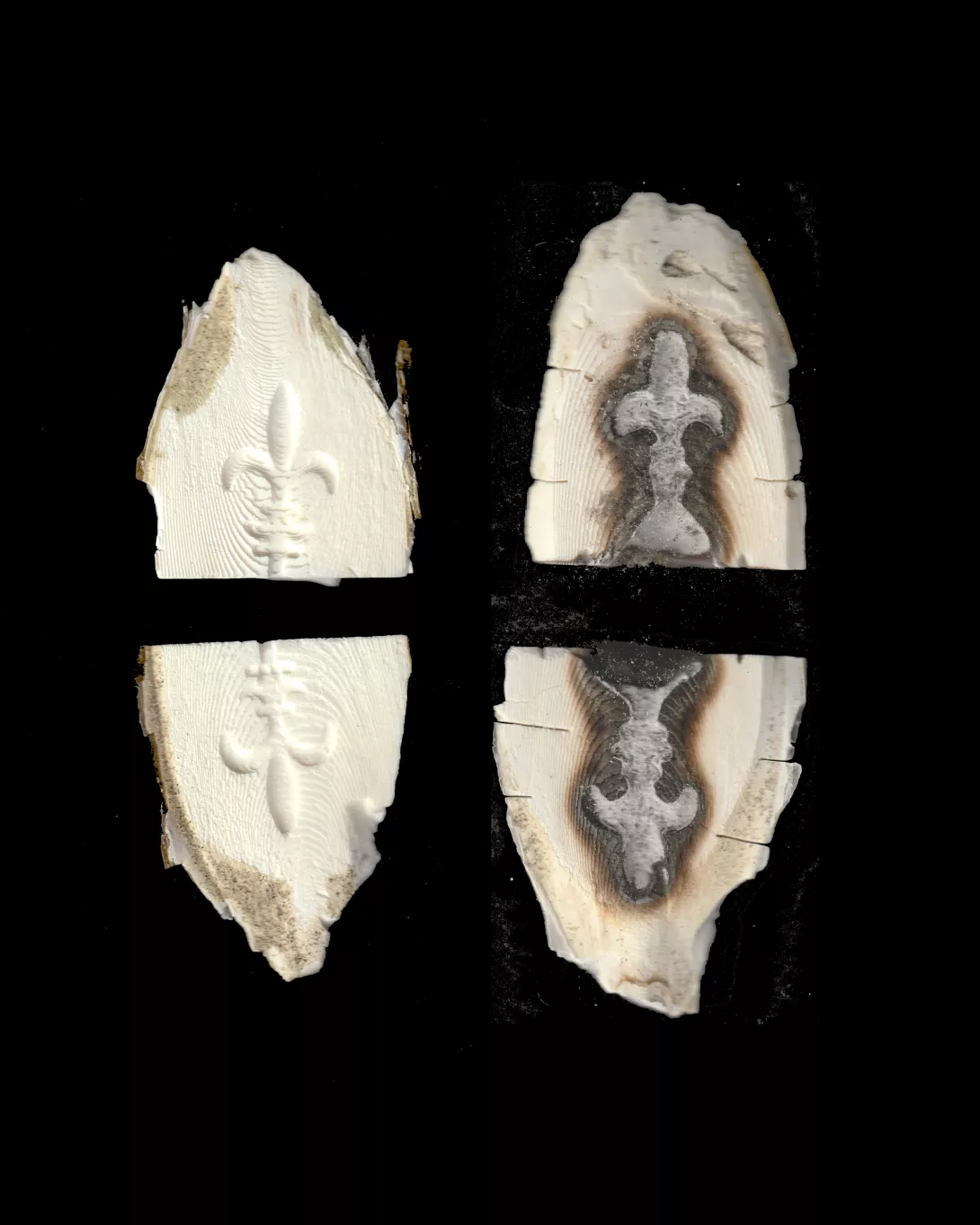
Could you explain what the cuttlebone casting technique involves and why you enjoy working with it so much?
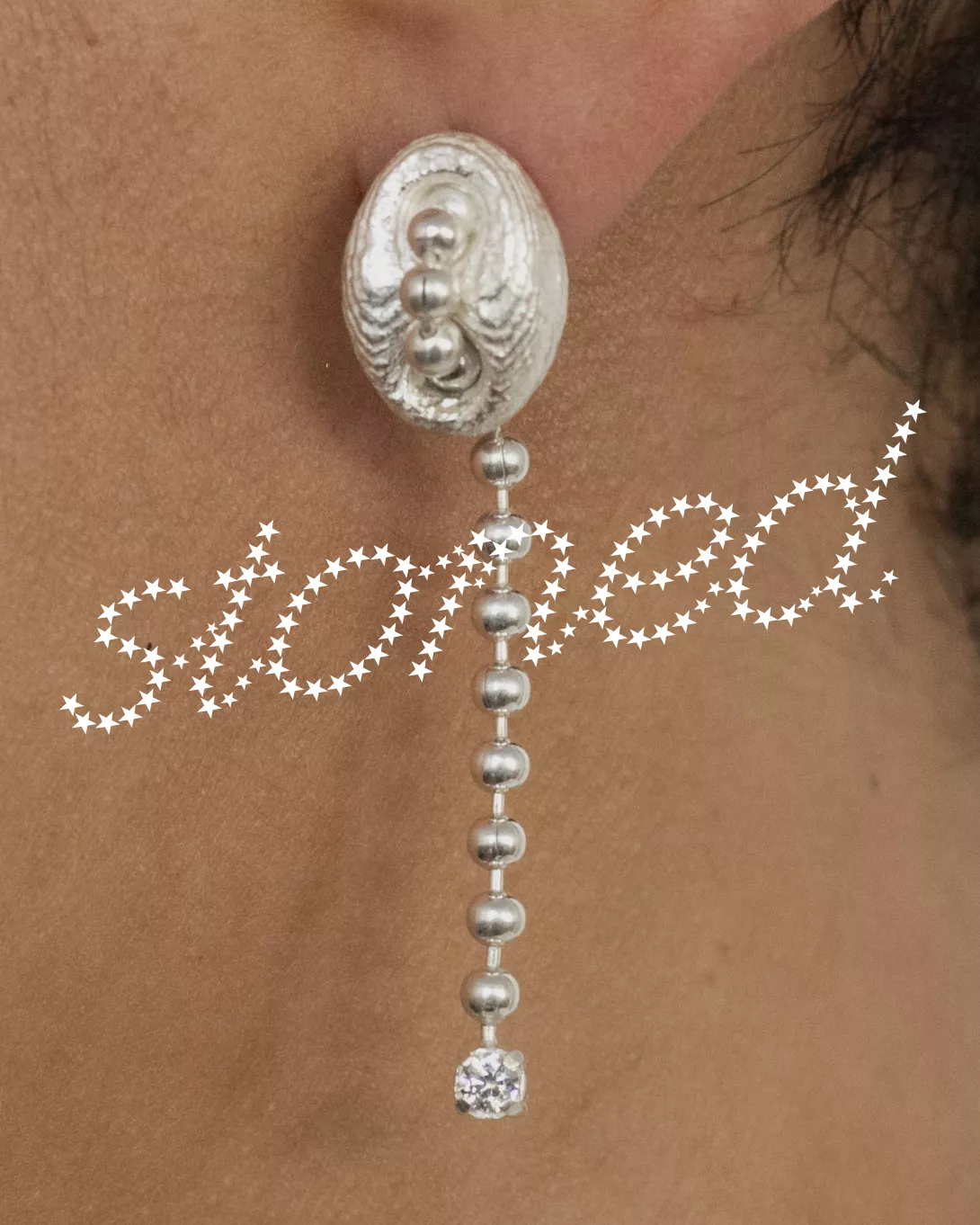
“The cuttlebone technique is a casting method in which I use the internal shells of cuttlefish, a type of squid, that I find on the beach. I split them into two parts and smooth them out so they fit together perfectly as a mould. I then create a drawing or a negative form in the surface, and afterwards I cast silver into it. The layered texture of the cuttlebone leaves an imprint in the silver, almost like a fingerprint.”
“In jewellery making, a lot is often outsourced to others, but with this technique and my way of working, that is exactly what I avoid. I can do everything myself, and that is what I find so enjoyable about it. Besides being a designer, I truly see myself as a maker. I feel most fulfilled when I am creating things with my own hands.”
“What I also find interesting is that there are so many jewellery styles and brands, but this technique is rarely used in the same way. Other people do use it, but often with a different approach or visual language. It is fascinating to see how varied those interpretations can be. You can create completely different pieces using exactly the same technique. I also find the combination of smooth surfaces and rough textures very powerful. In some of my pieces, I bring both elements together.”
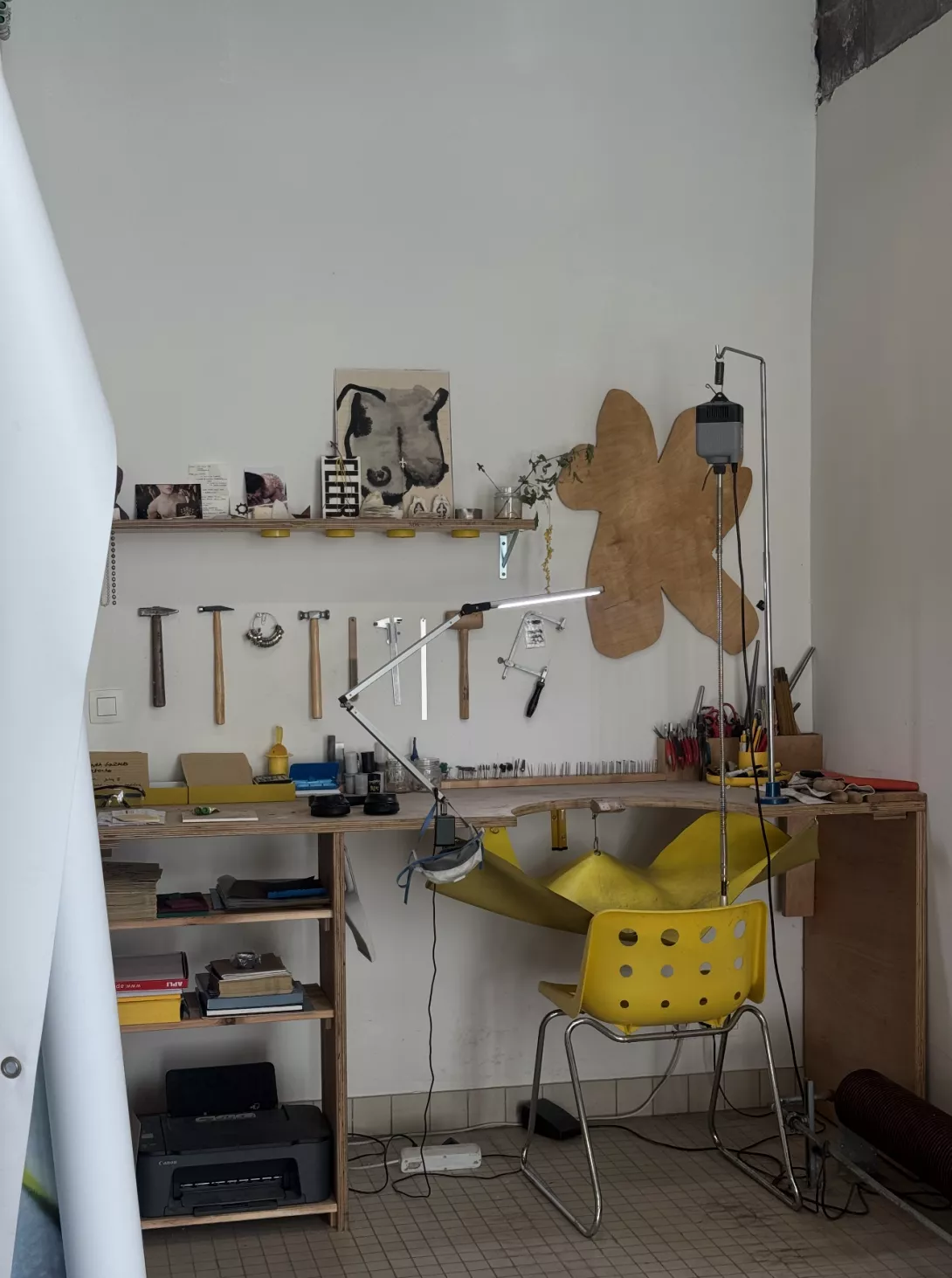
How do you experience working together in the MAD Studios with designers from other disciplines? Do you inspire each other?
“Yes, Stan Vrebos, my studio mate, is also an architect. Because of that, we share many common interests. I have only been here for a few months, but I really enjoy the atmosphere. We are around the same age and work in different fields, which is exactly what makes it interesting.”
“That is a big difference compared to my previous studio, where I often worked alone. Now it is the complete opposite. Since settling in here, I have really enjoyed the exchange with Stan, but also with the other designers. I had just moved to Brussels and was looking for a place to work, so this opportunity came at the perfect moment.”
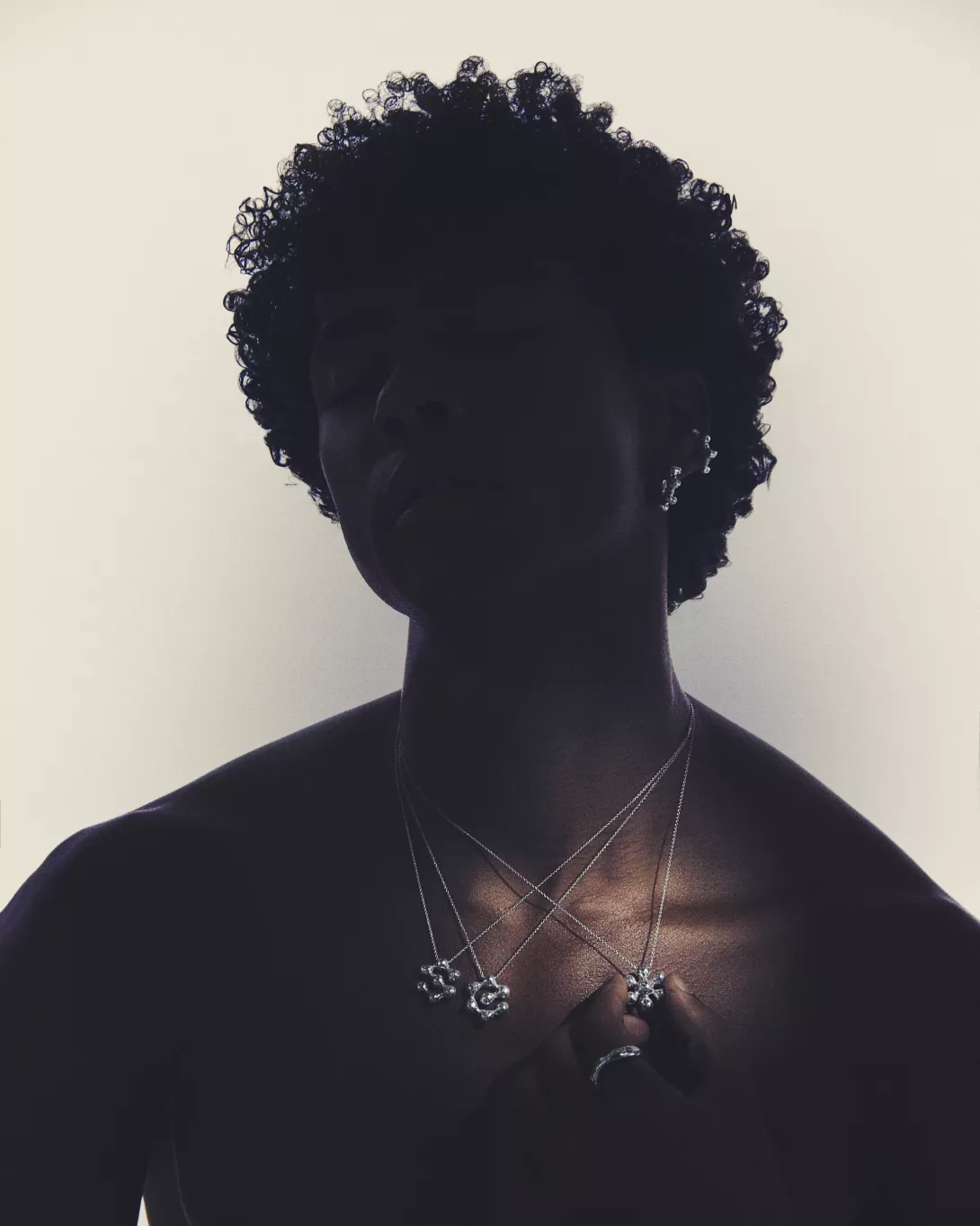
In which direction would you like to develop your work in the coming years?
“The next step on my path is to create a studio shop where I can be present myself. I believe that the process and the way something is made are an important part of the story behind a piece. Being able to show that directly to people feels like the logical next step. At the moment, I am in conversation with shops to explore the possibilities.”
“Sometimes I ask myself: how far can I continue to develop this way of working? I have often worried that it might eventually become repetitive, but I keep surprising myself by finding new ways to create something different within the same approach.”