Place du Nouveau Marché aux Grains 10
Nieuwe Graanmarkt 10
1000 Brussels
Nieuwe Graanmarkt 10
1000 Brussels
contact@mad.brussels
+32 2 880 85 62
+32 2 880 85 62
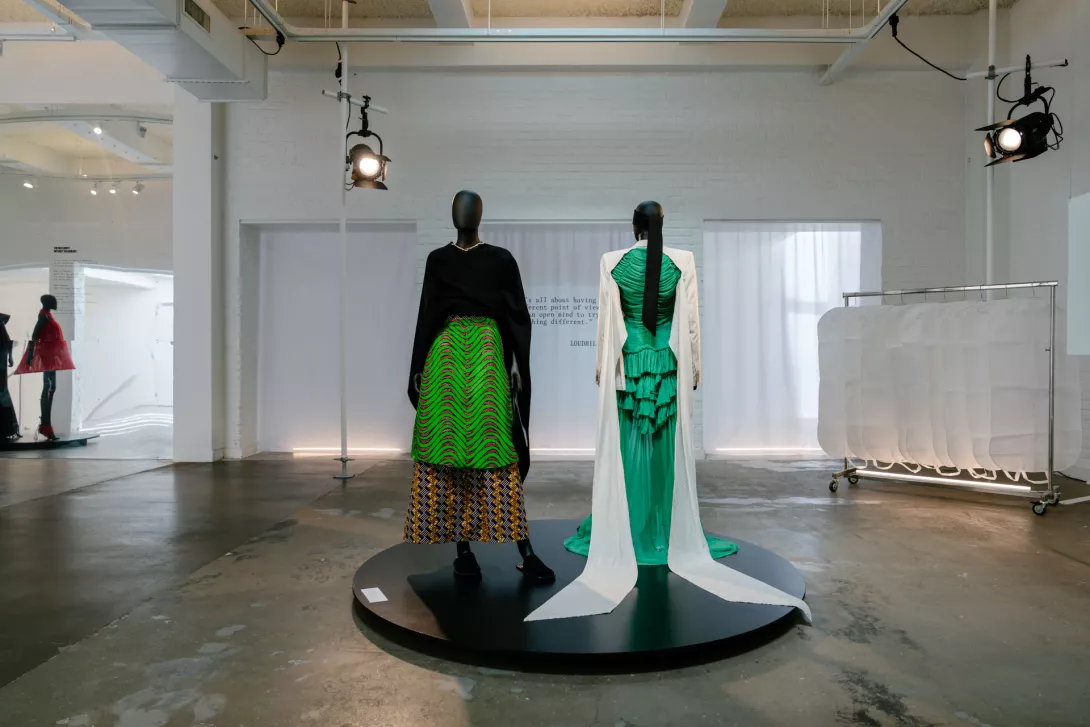
"Be open-minded about mixing different roots and see it as something beautiful, not as a caricature or stereotype."
Interview with LOUDMILLA
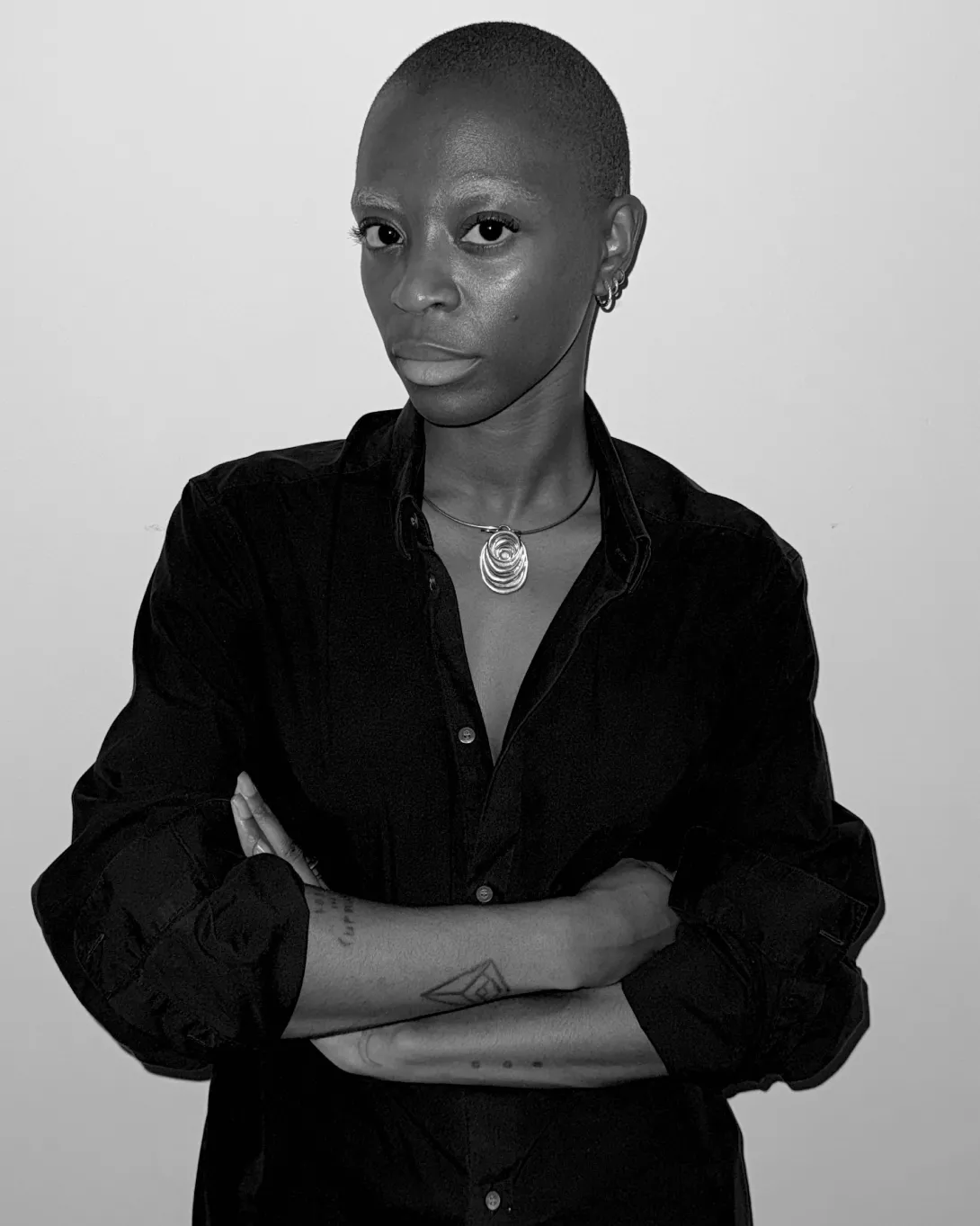
Loudmilla Ibwala is one of the eleven stylists featured in What’s Your Style?, the exhibition by MAD Brussels that highlights the often invisible role of the stylist in the fashion world. As a stylist and creative director, born in the Democratic Republic of Congo and based in Brussels, she has developed a distinctive visual language in which European aesthetics and her Congolese roots come together.
Her work operates at the intersection of fashion, art, and design. With a strong interest in craftsmanship and materials, she translates influences from architecture, photography, and history into visual narratives. For What’s Your Style?, she created two silhouettes that make her personal vision of style and identity tangible.
MAD Brussels spoke with Loudmilla about her sources of inspiration and her vision of styling.
How did you get into styling?
“I discovered my interest in styling while studying Textile Design at the Royal Academy of Fine Arts in Brussels. The school had different departments, and I had a friend who was studying photography. She asked me to help with a school project and take care of the clothes. Since I had always loved buying vintage clothes, I decided to help. That’s how it all started. At that time, I didn’t know anything about styling as a job. I really started from nowhere.”
What does styling mean to you?
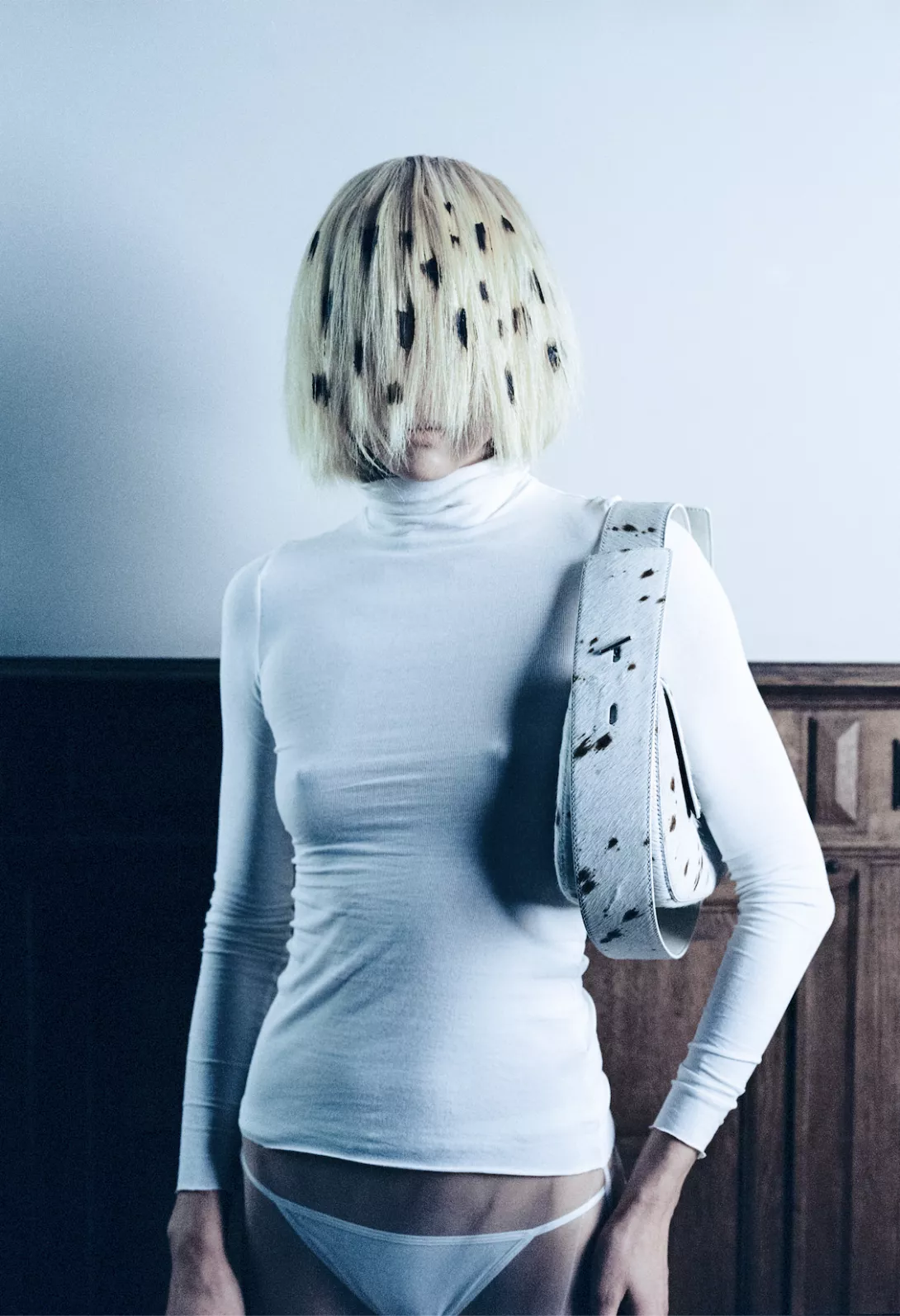
“For me, styling is about trying something different and expressing yourself. It means mixing different fabrics, colours and shapes to create something unique. Styling is about being open-minded, trying a different version of yourself and not being afraid to wear or try things you never tried before. It allows you to enter a sort of persona, and I think that is really the core of styling: playing, experimenting and having the confidence to express yourself.”
How do your Congolese roots influence your perspective on fashion and styling?
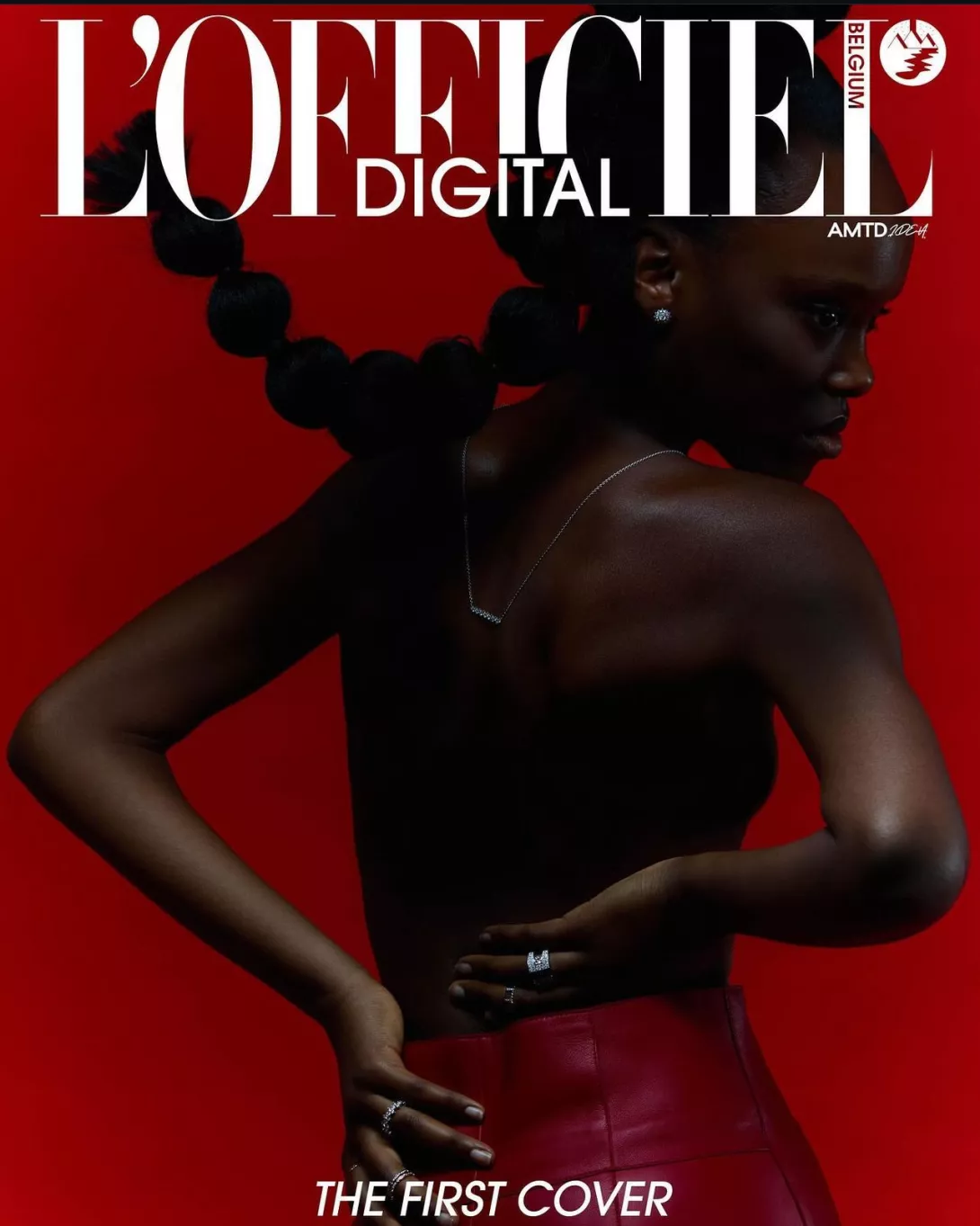
“To be honest, a few years ago, I didn’t give it much thought. When I was younger, I wasn’t as connected to my roots and origin as I am now. With age, I’ve gained a deeper understanding of who I am, my values, and what truly matters to me. That self-awareness has also made me reflect on the way I dress and the reasons behind my choices.”
“In a way, I’ve come to realize that my roots influence my style more than I once thought, even if it isn’t always immediately visible. For example, I don’t wear a lot of colour, but I actually love colour. Some of my friends were even surprised that my silhouettes for the exhibition weren't all in black and white. I think I have a natural sense for combining colours without overthinking it, and that probably comes from growing up in a place where colour is woven into everyday life. So the influence is there, but it is very natural and comes from within.”
“It’s difficult to explain in simple terms how my roots influence my perspective on styling, because it is in the details. It can be a fabric that reminds me of my childhood, the way my mother used to dress, or things I see in the streets. It is not something I want to show in an obvious way. I prefer that people discover it themselves. Styling is of course physical, something you can see. But the way I get inspired by my roots is something you cannot directly see.”
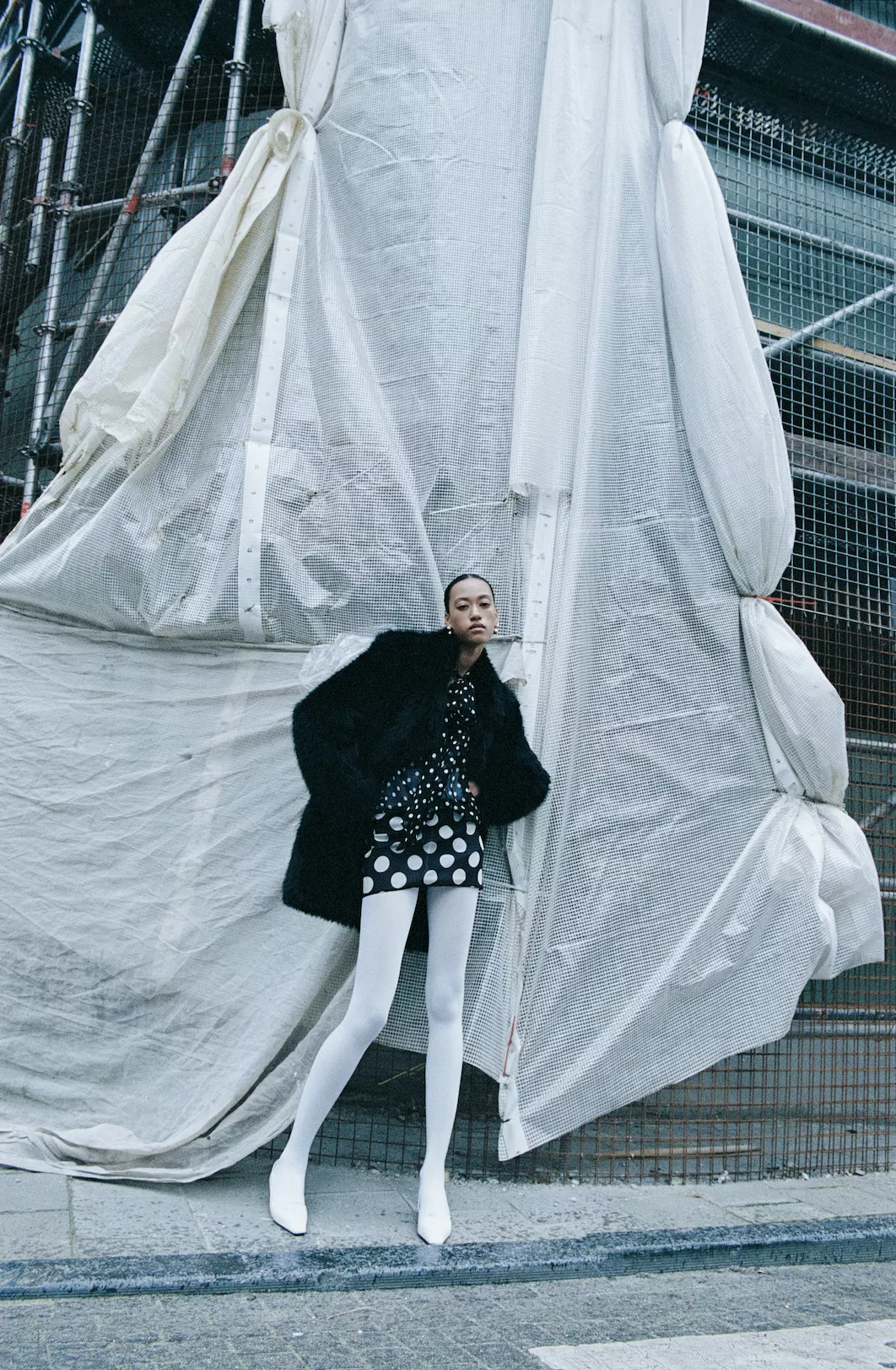
You work across different disciplines, from photography to textiles and design. How do these influence one another in your approach to styling?
“I quickly became interested in interior design and art, even though I had no idea what it actually entailed. The shapes, forms, mix of fabrics, contrasts, and design in general, and even architecture, can really reflect how you want to live in your own safe space. I’ve always been fascinated by how I could translate these ideas into styling.”
“I love doing shoots in specific architectural spaces or interior-designed houses because I find the conversation between the different domains beautiful, and I love how they can interact. When I get dressed, I think about the kind of place I am dressing for, and I often draw inspiration from it.”
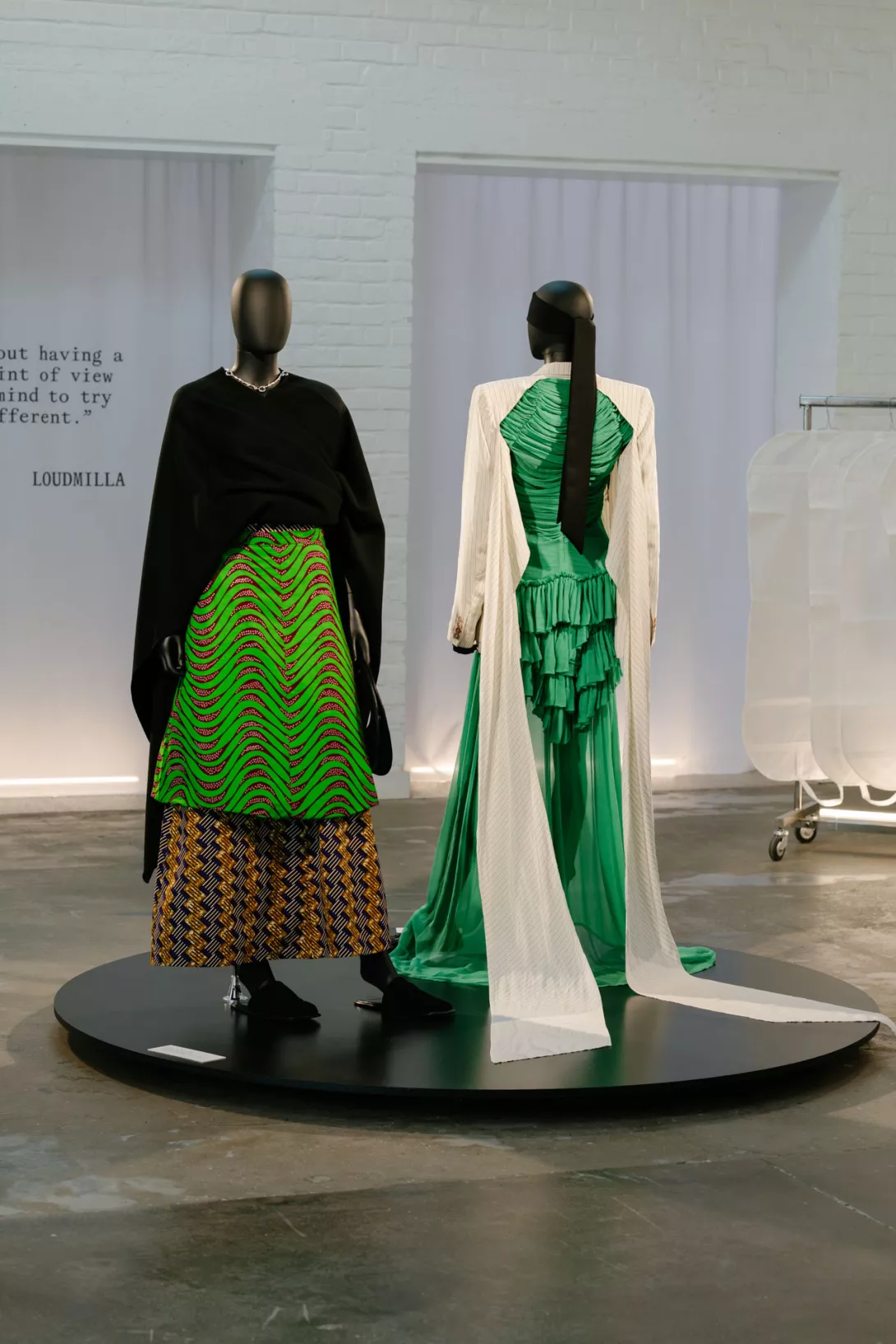
You created two silhouettes for the exhibition. What inspired these looks?
"I think that I have mainly sought the inspiration for the styling of my two silhouettes from myself. I try to explore what I want to express, or what I haven’t been able to express in the past, and draw inspiration from that."
“I went to see the exhibition with my sister and she said she could see my mom in my silhouettes, or even our aunts. I didn’t see it that way at first, but I guess it reflects the women within me and also the ones who shaped who I am today. In that sense, they are also an inspiration. I understand what she meant, because I think I was trying to express a modern Congolese woman."
“I am Congolese, but also European, since I have lived in Belgium for 25 years. It can be challenging to translate that mix and stay true to who I am. With my work, I wanted to create that bridge, a bridge that is actually me.”
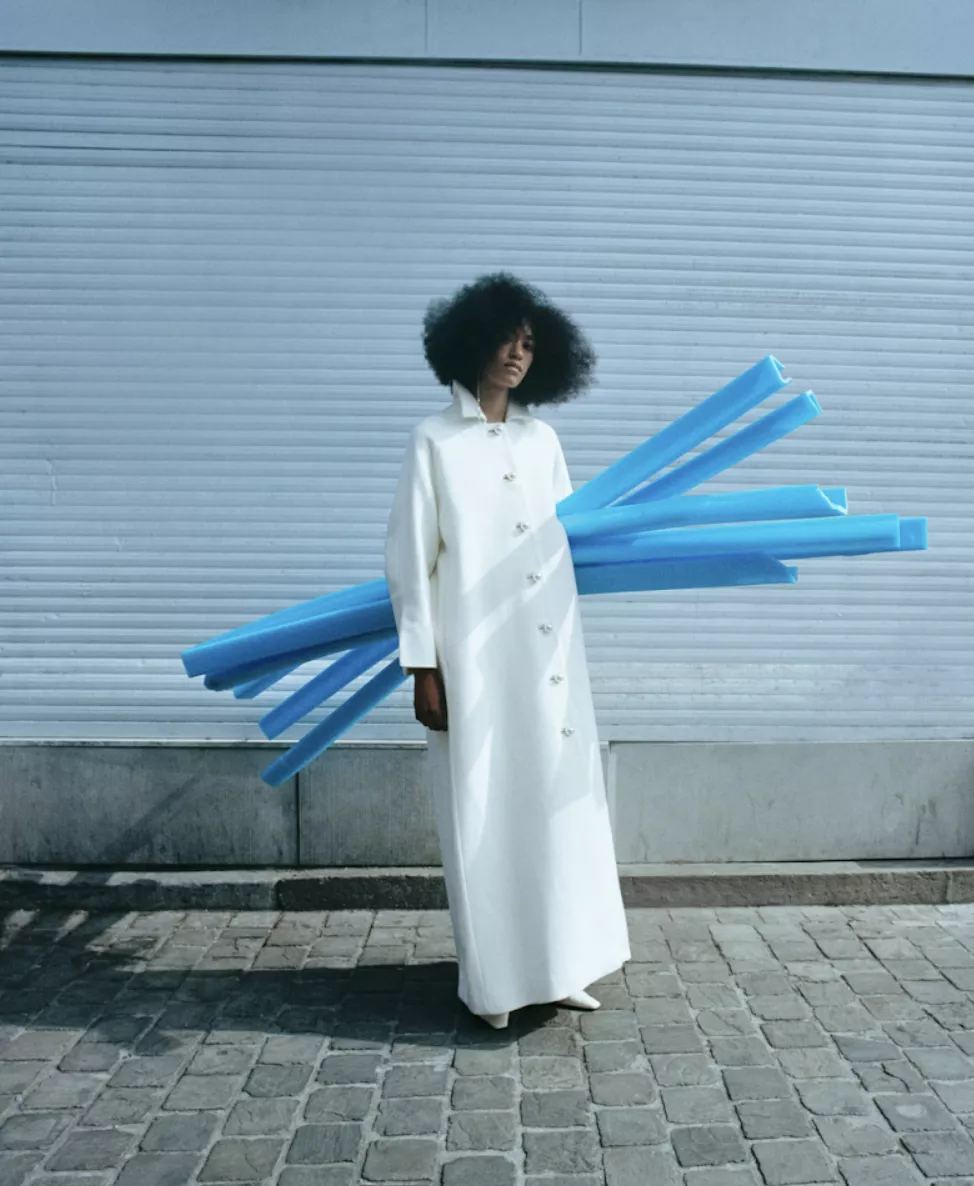
What message do you hope visitors receive through your silhouettes in the exhibition?
“I think the message is to be open-minded about mixing different roots and to see it as something beautiful, not as a caricature or stereotype. I want people to open up this conversation, to find a balance, and alsoto feel a bit intrigued by it.”
Do you have a dream project?
"I dream of many different projects. Sometimes I don’t dare to say all my dreams out loud, because then it feels like they might never happen. But I think I would really like to design more clothing for myself. I would also love to work for an existing brand and be part of their design team, whether it is big or small brand."