Place du Nouveau Marché aux Grains 10
Nieuwe Graanmarkt 10
1000 Brussels
Nieuwe Graanmarkt 10
1000 Brussels
contact@mad.brussels
+32 2 880 85 62
+32 2 880 85 62
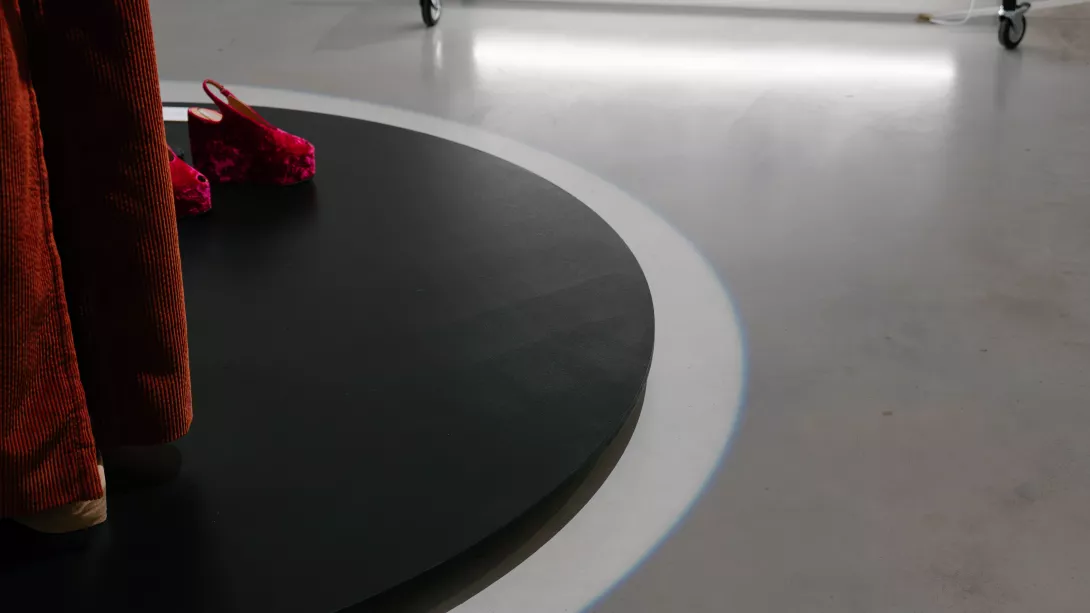
"OUR ROLE IS TO TAKE A CREATIVE VISION AND TURN IT INTO A SPACE, THROUGH SCENOGRAPHY, TECHNICAL DIRECTION AND DESIGN."
Interview with Jordi Vandekerkhof & Benjamin Bauwens from More To Show
More To Show is an international agency specializing in technical direction & design at the intersection of events, fashion, and architecture. Between concept and spatial execution, More To Show develops environments where light, material, and movement interact. Each project becomes a language, each space an experience.
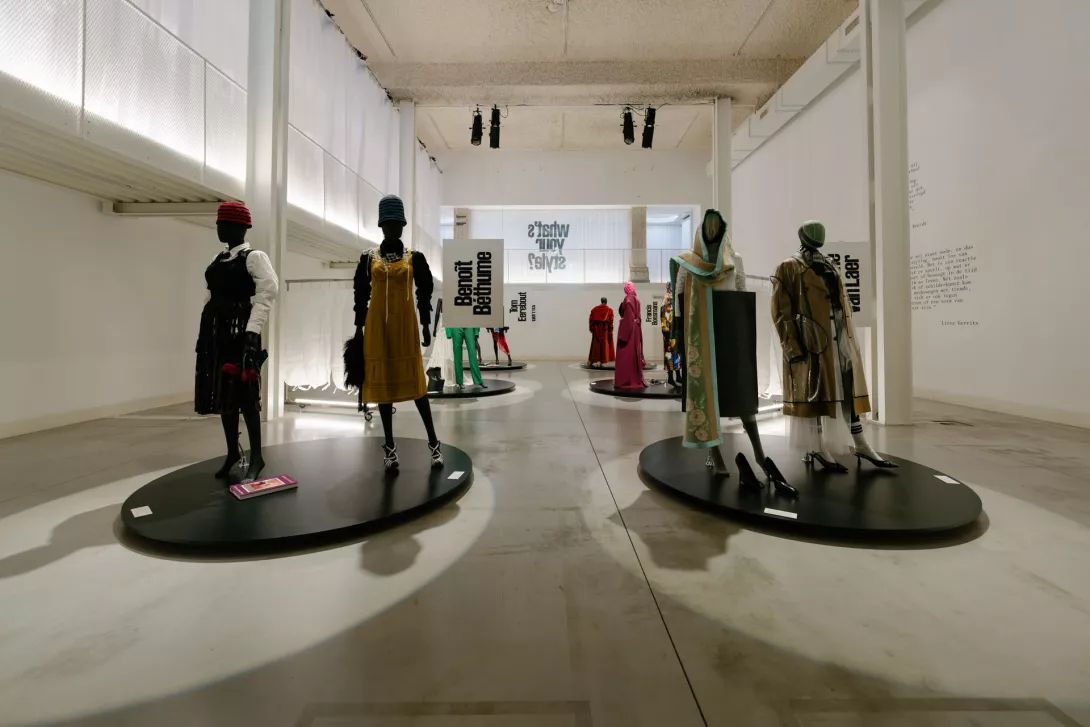
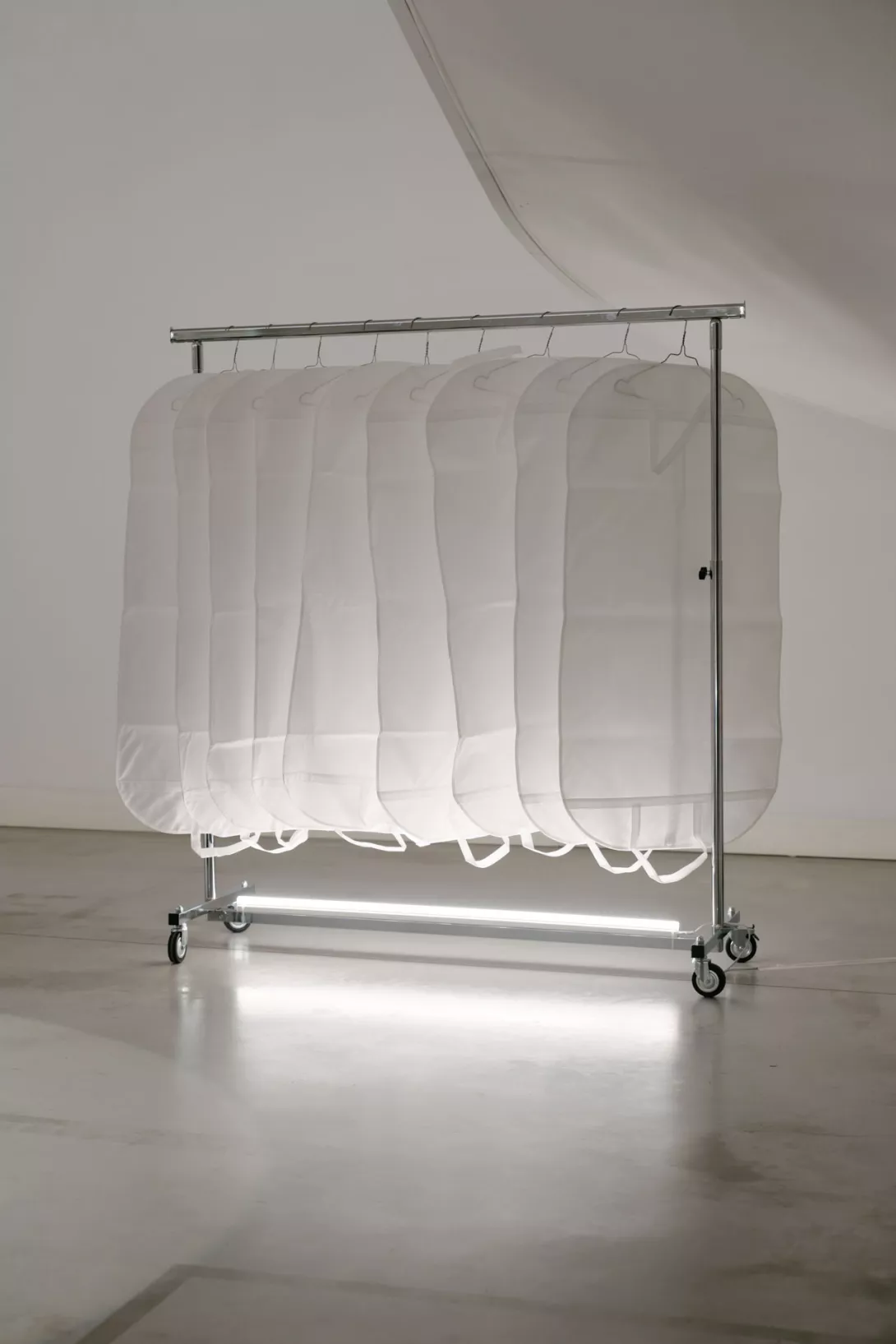
For its latest exhibition, What's Your Style?, MAD Brussels collaborated with More To Show on the scenography design of the exhibition. What's Your Style? presents an immersive scenography that unveils the behind-the-scenes world of fashion. Drawing on backstage and runway references, the lighting, designed by Ombre Agency, plays a central role in shaping the visitor experience.
MAD Brussels spoke with Jordi Vandekerkhof, Founder & CEO, and Benjamin Bauwens, Managing Partner at More To Show, about their creative vision, technical craftsmanship, and the challenges facing the sector.
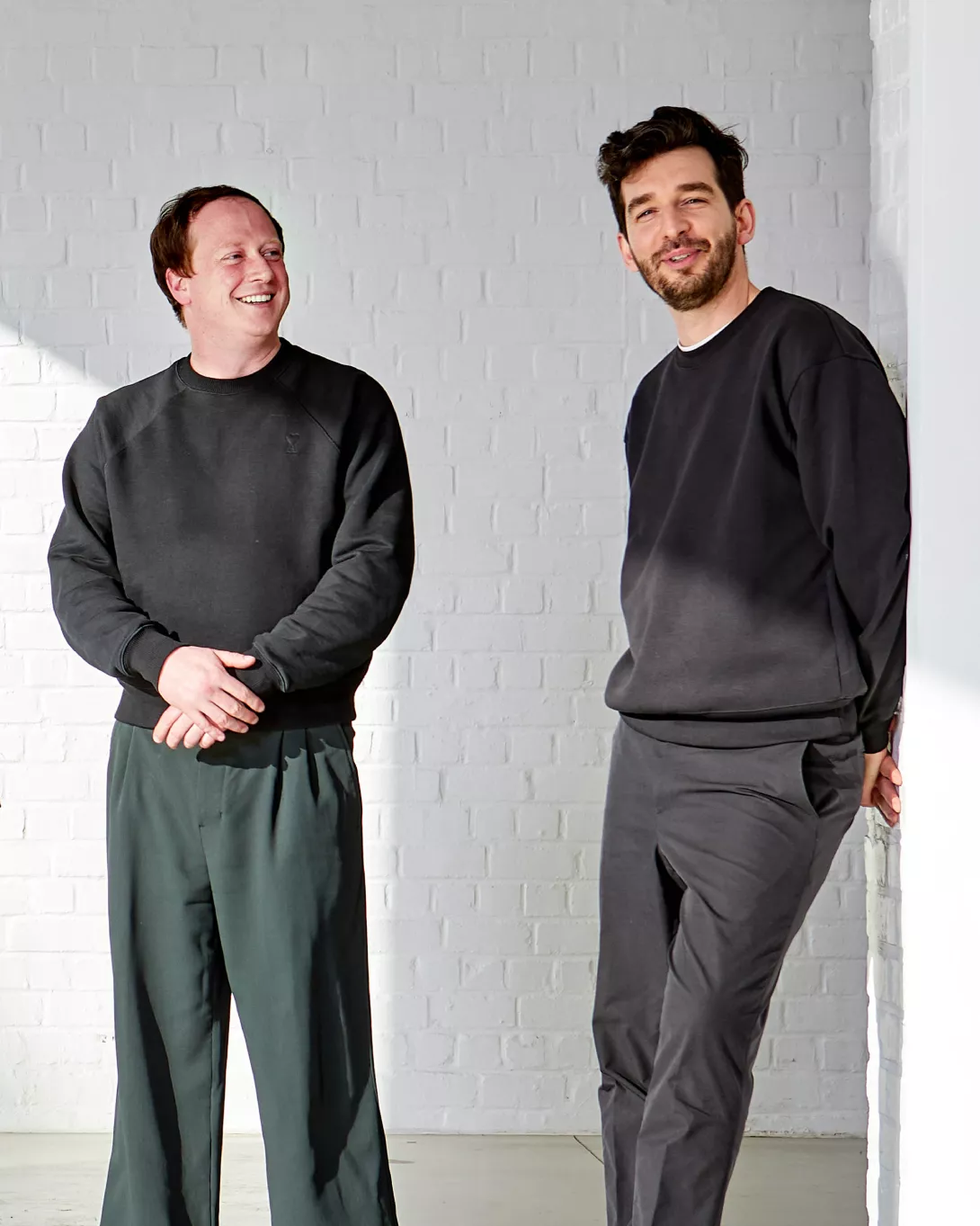
What is More to Show’s creative vision, and how do you translate that into your projects?
Jordi:
"Our creative vision is centered on creating unforgettable memories through unique, luxurious, and carefully crafted designs. Our clients come from different backgrounds and industries, from the luxury car industry to jewellery makers, every project is approached individually. We believe that a design should be shaped around the clients audience and purpose, what works for a large commercial gathering is very different from what creates impact for a more exclusive and intimate audience."
"Our creative process is closely connected to the clients needs and wishes. By combining creativity with a strong understanding of technical realities, we develop concepts that are both ambitious and efficient, ensuring that every decision delivers maximum impact."
"Across all our projects, the common thread is our attention to detail and our desire to make every design feel exclusive, distinctive, and memorable."
Which type of projects inspires you the most?
Benjamin:
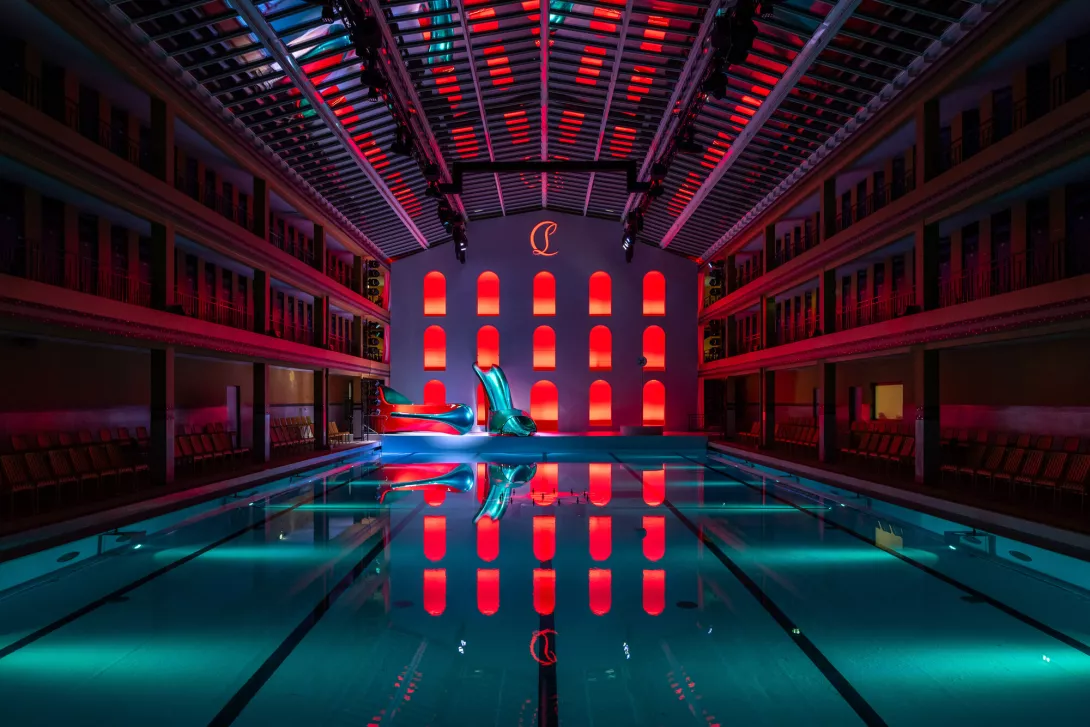
"The types of projects that inspire us the most are those that come with strong creative constraints, such as tight production timelines or unusual (read: impossible) locations. These challenges push us to think differently and go beyond conventional solutions. From building floating catwalks to racing cars over a bridge in LA, we get inspiration from all sides."
"Rather than limiting creativity, these challenges push us to think differently. They encourage us to explore new ideas, refine them with purpose and find unexpected ways to make a real impact. "
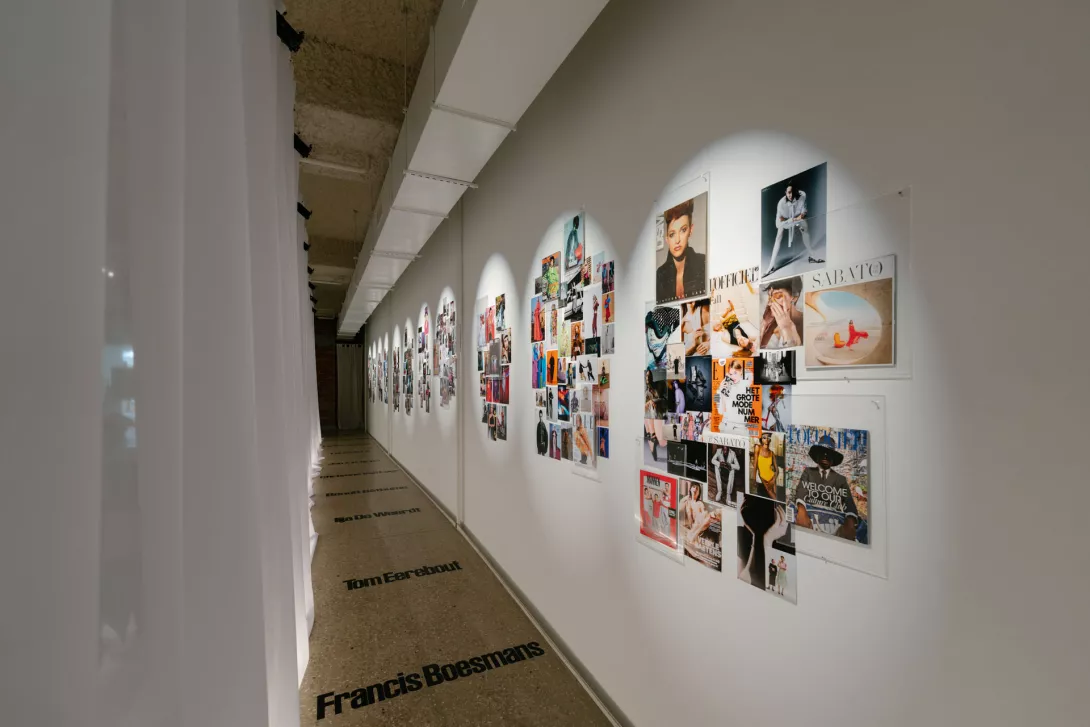
More to Show designed the scenography for the exhibition What's Your Style, what is the creative concept behind it?
Jordi:
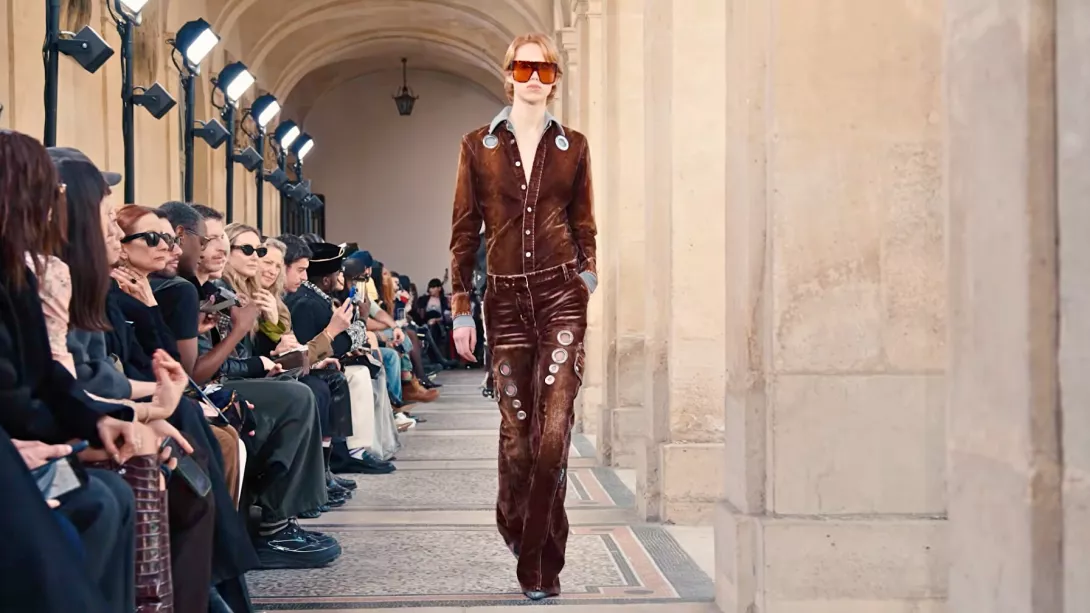
"The core idea behind the scenography of this exhibition was to shine a light on the work of stylists, which often remains unseen despite playing an essential role in the fashion industry. To support this concept, the exhibition was imagined as a backstage journey, immersing visitors in the atmosphere behind a fashion show. For example, the entrance of the exhibition looks like a line-up, this is the place where models go and stand just before they start their walk on the runway. By recreating this behind-the-scenes environment, the scenography reveals the creative process of styling and emphasizes the stylist's role as a visual storyteller. "
"Every stylist has their own unique universe and visual language, we wanted to recreate this feeling when you walk through the expo. The result is an exhibition where the act of styling becomes the subject itself, allowing visitors to discover how fashion stories and identities are created behind the scenes."
What are your biggest challenges in the field of technical direction and technical design in the fashion industry?
Benjamin:
"One of the biggest challenges in technical direction and design is the constant demand for innovation. The industry is always evolving, not only in creative concepts but also in production methods and technical execution. Deadlines keep getting shorter, and the ideas keep getting crazier! But that's exactly how we like it."
"Every fashion show must feel unique and original, even when working with the same brand season after season. No two shows can ever be the same, which means we must continuously reinvent our approach while maintaining the highest level of precision and reliability."
"Every project teaches us something new, it keeps us curious, helps us grow, and encourages us to find fresh ways to create experiences that work beautifully."
How do you involve other local creative players in your work and projects?
Jordi:
"Most of our projects are international in scope, and we are used to collaborating with creative directors, artists, and designers who are either our clients or close project partners. Collaboration is therefore at the heart of the way we work."
"As a Belgian company, we also believe it is important to support and showcase the richness of the local creative scene. Depending on the project, we regularly collaborate with designers, artisans, technical specialists, and production partners, bringing together international vision and local expertise to create unique and innovative designs."
How do you see the artistic future of More to Show?
Benjamin & Jordi:
"We see More To Show continuing to collaborate on projects imagined by artists, designers, and brands, translating their ideas into memorable experiences. Our role is to take a creative vision and turn it into a space, through scenography, technical direction and design. We don’t start from ourselves, but from a brief, an intention, a world that already exists in someone’s imagination. And our work is to bring these ideas to life."
"We’ve noticed that designers are becoming more and more familiar with technical possibilities, which gives us even more opportunities as Technical Directors to help bring their ideas to life. Over the years, we’ve worked on everything from spectacular flame shows to driving a giant cake prop with dancers on top. Every project is different, and that’s what makes it so much fun."
"In the future, we will continue to build these bridges between ideas and reality, shaping environments that don’t just present a concept, but allow people to step into it and feel part of the story."